




Carrier
A More Sustainable Parcel Economy Starts with Smarter Delivery Networks
Written by: Parcel Pending By Quadient
4 Min Read
Published: September 8, 2026
The conversation around sustainability often focuses on what we buy. Increasingly, however, it’s also about what happens after we buy it.
As consumer behaviour evolves, the parcel economy is becoming an important enabler of more sustainable lifestyles. From resale and returns to lending, repair and reuse, parcels are no longer simply delivering new products into homes. They are supporting a circular economy where goods move between people, businesses and platforms multiple times throughout their lifecycle.
Our latest consumer research reveals that this shift is already well underway. But it also highlights a challenge: while consumer behaviours are becoming more sustainable, the infrastructure supporting parcel movements must evolve alongside them.
The Rise of the Circular Parcel Economy
The traditional parcel journey was simple. A retailer shipped a product to a customer and the transaction ended there. Today, parcel flows are far more complex.
Our research found that the average UK consumer receives six parcels and sends seven each month. Importantly, many of those outgoing parcels support more sustainable consumption habits rather than new purchases. Consumers now send an average of two parcels each month linked to resale platforms, while additional parcels are regularly exchanged with friends and family or lent to other people. More than three-quarters (77%) of UK consumers have sold goods online, demonstrating how recommerce has become a mainstream activity rather than a niche behaviour.
These trends signal a significant shift towards extending product lifecycles. Whether selling unwanted fashion items, sending children’s toys to relatives or lending equipment to friends, consumers are finding ways to keep goods in use for longer instead of replacing them.
Sustainability Requires Convenience
While circular behaviours are growing in popularity, they rely on one essential factor: convenience. Consumers are unlikely to participate in resale, repair or reuse programmes if sending parcels becomes complicated, expensive or time-consuming.
The research found that consumers spend an average of 5.5 hours every month managing deliveries and returns. Waiting at home for deliveries remains the biggest source of frustration, while sending parcels often involves additional trips and coordination. This creates an important sustainability challenge. If participating in circular commerce requires significant effort, consumers may be less likely to choose these more environmentally friendly options.
Making parcel services easier to access is therefore not just a customer experience issue; it is also an enabler of sustainable behaviours.
The Impact of Fragmented Parcel Networks
The research also highlights the hidden environmental impact of fragmented parcel networks.
The average UK consumer now travels 533 miles a year managing parcel deliveries and returns, with these journeys collectively adding up to almost 36 billion miles annually across the UK. More than half (54%) of consumers say they are frustrated by having to visit different locations for different carriers, while 59% would prefer to manage deliveries and returns through a single location.
The findings reinforce the need for more connected parcel infrastructure that reduces unnecessary journeys and makes sustainable parcel management more convenient for consumers.
Smarter Infrastructure for Greener Delivery
As parcel volumes continue to grow, efficiency becomes increasingly important.
Traditional home delivery models can generate repeated journeys when customers are unavailable, while consumers often make separate trips to collect, send or return parcels through multiple carrier networks.
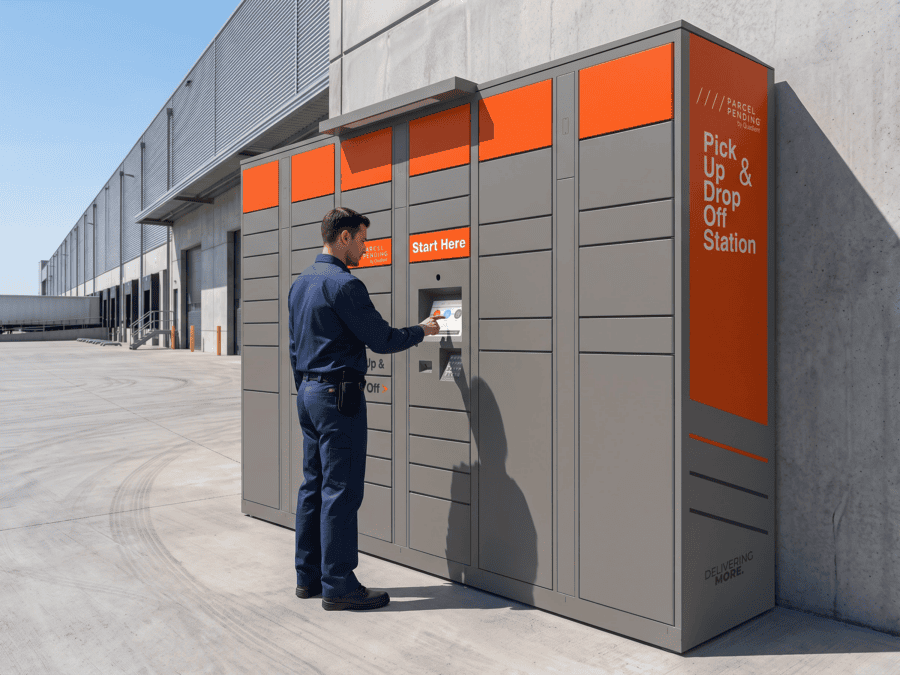
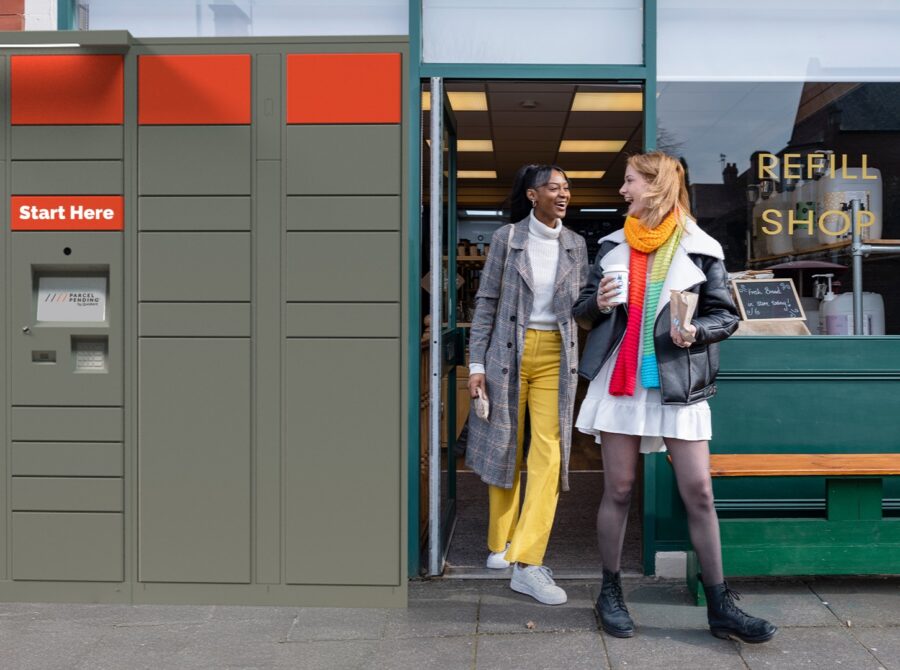
Open network parcel lockers help streamline these journeys by bringing collection, sending and returns into a single, convenient location that can be used by multiple carriers. By consolidating parcel activity into everyday destinations, such as supermarkets, convenience stores and transport hubs, consumers can manage parcels alongside existing routines rather than making dedicated trips. This supports a more efficient delivery ecosystem while giving people greater flexibility and control.
Importantly, the delivery network is no longer supporting only retail purchases. The same infrastructure now enables a wide range of activities that contribute to a more circular economy, from online resale and product returns to peer-to-peer exchanges, rentals, repairs and sharing schemes. By utilising existing delivery networks to support these additional parcel journeys, businesses can help extend product lifecycles without requiring entirely new infrastructure or consumer habits.
The more effectively delivery networks can support both inbound and outbound parcel flows, the greater their potential to reduce waste, encourage reuse and make sustainable consumer behaviours easier to adopt at scale. As parcel movements increasingly support resale, returns and reuse, the infrastructure behind them must be capable of managing parcel flows in both directions efficiently.
Building a More Sustainable Parcel Future
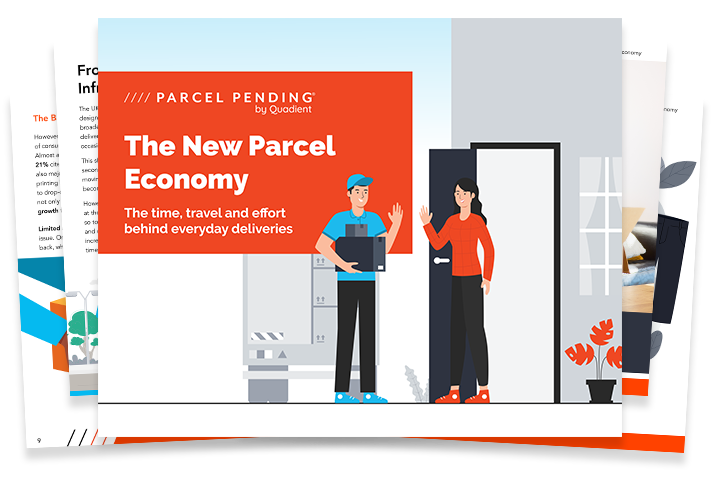
Click below to download the full report: The New Parcel Economy Report.