




Carrier
4 Collection Models Retailers Should Consider as Customer Expectations Evolve
Written by: Parcel Pending By Quadient
5 Min Read
Published: August 19, 2026
In our previous blog, we explored why traditional click-and-collect is becoming increasingly challenging for retailers, as rising operational costs collide with growing customer expectations for convenience and flexibility.
For many retailers, the next question is: what are the alternatives?
There is no one-size-fits-all approach to fulfilment. The right solution depends on factors such as store footprint, customer demographics, ecommerce volumes and operational priorities. However, as customer expectations continue to evolve, retailers should understand the strengths and limitations of the most common collection models available today.
According to Mintel, consumers are increasingly choosing delivery and collection options that minimise friction and maximise control over the post-purchase experience. As a result, retailers need collection strategies that balance convenience, efficiency and scalability.
Here are four collection models retailers should consider.
-
Traditional Staffed Click-and-Collect
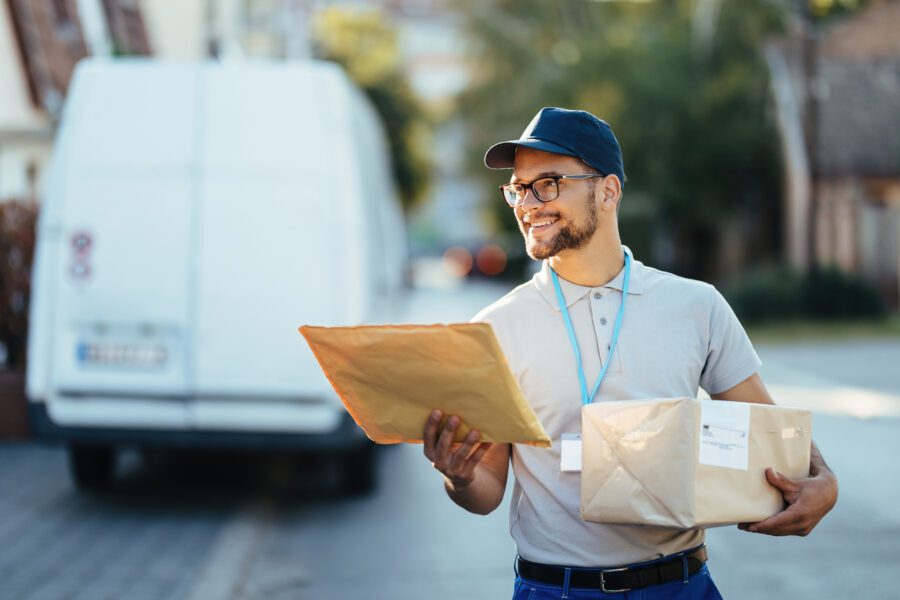
For many retailers, staffed click-and-collect remains the most familiar option.
Customers place an order online and collect it from a designated in-store collection point, usually with assistance from a member of staff.
Advantages
- Familiar process for customers
- Easy to introduce using existing store infrastructure
- Provides opportunities for face-to-face customer interaction
Challenges
- Requires staff involvement for every collection
- Can create queues during busy periods
- Places pressure on store teams during peak trading windows
- Requires dedicated storage space
For retailers with lower ecommerce volumes, traditional click-and-collect can be an effective solution. However, as online order volumes increase, operational efficiency can become a challenge.
-
Dedicated Collection Counters and Service Desks
Some retailers operate dedicated collection areas that separate order collection from the main checkout experience.
By centralising fulfilment activities, businesses can create a more streamlined customer journey while reducing congestion elsewhere in the store.
Advantages
- Improves organisation and visibility
- Can reduce pressure on checkout staff
- Supports higher collection volumes
Challenges
- Requires dedicated floor space
- May still rely heavily on staff intervention
- Capacity constraints during seasonal peaks
While dedicated counters can improve operational workflows, they can also increase pressure on retail space, one of the most valuable assets available to retailers.
-
Third-Party Pickup Locations
Retailers can also partner with external collection networks, allowing customers to collect purchases from locations such as convenience stores, parcel shops or local collection points.
This approach can help extend collection coverage without requiring significant investment in additional infrastructure.
Advantages
- Expands customer choice
- Reduces collection traffic within stores
- Can improve accessibility for customers
Challenges
- Retailers have less control over the customer experience
- Branding opportunities may be limited
- Customer service issues may involve multiple parties
Third-party collection networks can be particularly attractive for retailers looking to broaden their fulfilment offer while maintaining operational simplicity.
4. Automated Collection Solutions
Automation is playing an increasingly important role in retail fulfilment.
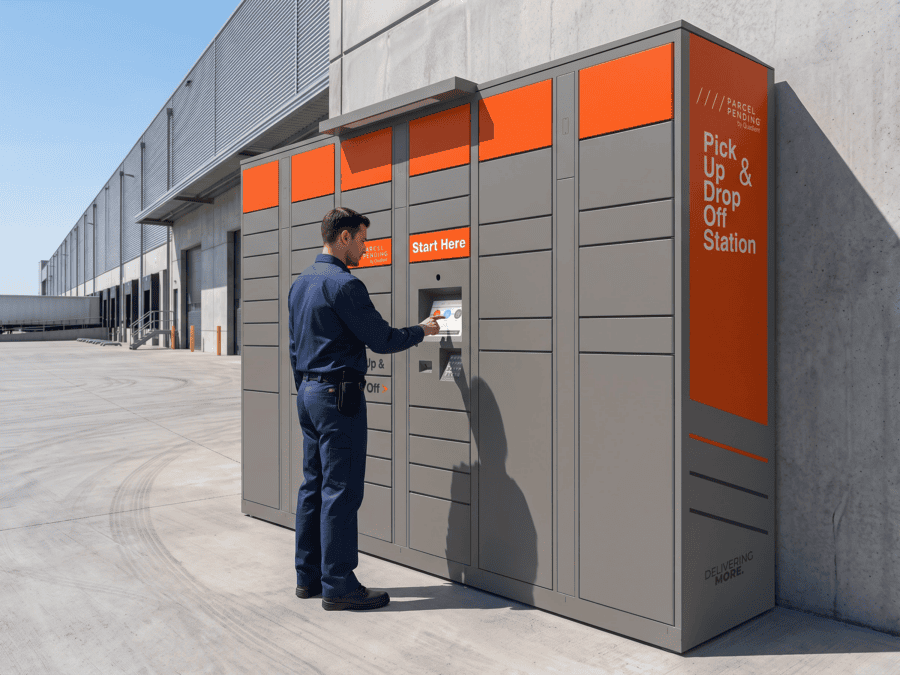
Automated collection solutions allow customers to retrieve purchases independently, often without requiring staff assistance. This can help retailers support growing ecommerce volumes while reducing operational burden.
Advantages
- Self-service customer experience
- Reduced staff involvement
- Improved operational efficiency
- Supports collections outside traditional service desk workflows
- Scalable as order volumes grow
- Can enable multiple fulfilment models from a single location
Challenges
- Requires careful planning to balance retailer collections with third-party network usage
- Retailers should consider how customer journeys and branding are maintained when multiple carriers use the same location
- Site suitability will influence utilisation and revenue potential
- Integration and operational requirements should be assessed before deployment
- Commercial outcomes depend on local demand and network participation
Beyond Click-and-Collect
One of the advantages of some automated collection solutions is their flexibility.
Traditionally, retailers have deployed collection infrastructure solely to support their own customer orders, effectively operating a private network. While this can help improve the customer experience, the space and infrastructure remain dedicated to a single purpose.
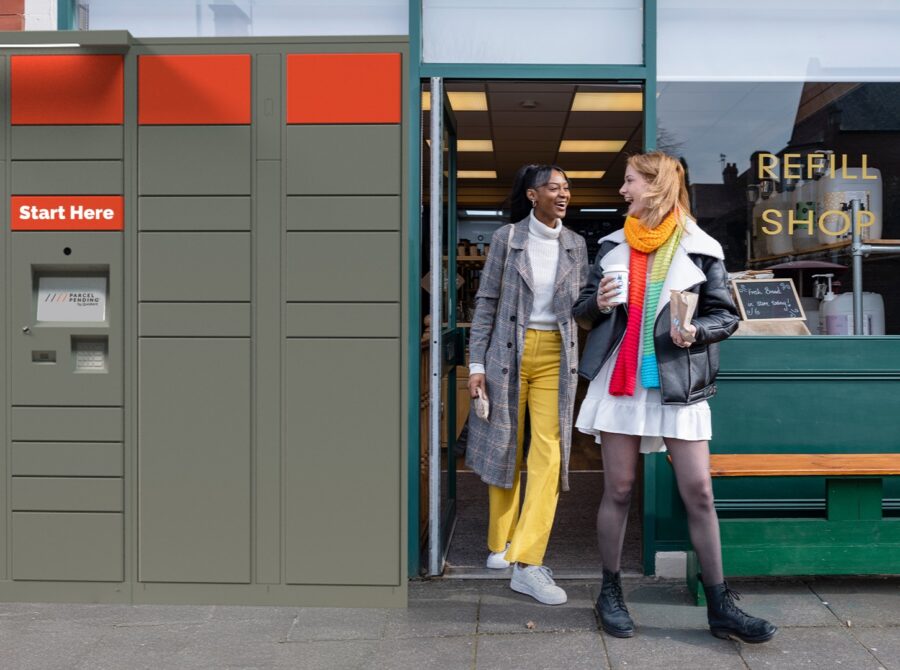
Some solutions enable retailers to combine a private network approach while reserving space for a wider open network. In practice, this means the same collection location can support the retailer’s own click-and-collect orders while also being made available to multiple carriers and delivery providers.
This hybrid approach can create several benefits:
- Greater utilisation of existing retail space
- Increased convenience for customers
- Support for growing out-of-home delivery demand
- New opportunities to generate income from underutilised locations
As retailers continue to look for ways to maximise the value of their store footprint, solutions that deliver both operational efficiencies and revenue opportunities are attracting increasing interest.
Consumer attitudes suggest demand for these types of collection options is growing. Parcel Pending by Quadient research found that 57% of consumers believe parcel lockers are becoming a critical part of everyday infrastructure, while 59% see value in using lockers for sending and returning parcels as well as receiving them.
These findings indicate that consumers increasingly expect collection infrastructure to support a broader range of fulfilment needs, rather than simply acting as a collection point for online purchases.
What Should Retailers Consider When Evaluating Collection Models?
Every fulfilment strategy should ultimately support two objectives:
- Improving the customer experience
- Maintaining operational efficiency
When assessing collection models, retailers should consider:
Customer Convenience: Does the solution offer flexibility around how and when customers collect orders?
Operational Impact: How much staff time is required to manage collections?
Space Requirements: How much store space is needed to support the solution?
Scalability: Can the model support future ecommerce growth?
Customer Choice: Does the solution align with evolving customer preferences?
These factors will become increasingly important as fulfilment moves from being a back-office function to a key component of the overall customer experience.
The Right Fit Depends on Your Business
There is no universally perfect collection model.
Some retailers may benefit from improving existing click-and-collect processes, while others may find that alternative approaches better support their customers and operational goals.
What matters most is understanding how customer expectations are changing and evaluating the options available.
Royal Mail estimates that approximately 15% of UK parcels are currently delivered through out-of-home locations, with that figure expected to rise to around one-third within the next five years. This suggests retailers should be actively reviewing how their fulfilment strategies will evolve alongside changing consumer behaviour.
Next Steps
Once retailers have explored the different collection models available, the next challenge is determining which solution is the best fit for their organisation.
Explore Your Options
Every retailer’s fulfilment requirements are different. Whether you’re reviewing your click-and-collect operation or exploring new ways to improve convenience and efficiency, our experts can help.
Contact us today to discuss your retail fulfilment strategy and discover how the right collection model could support your business goals.