





Carrier
Why More Businesses Are Turning to Open Locker Networks to Support Growth
Written by: Parcel Pending By Quadient
4 Min Read
Published: September 2, 2026
As businesses look for new ways to improve customer access, streamline operations and support growth, many are facing the same challenge: how to expand reach without significantly expanding infrastructure?
Traditionally, increasing capacity or improving accessibility often meant investing in new locations, facilities or assets. While there is still a role for physical expansion, organisations across retail, logistics, field service and supply chain operations are increasingly looking at alternative ways to support growth.
One approach gaining momentum is access to open locker networks.
What Is an Open Locker Network?
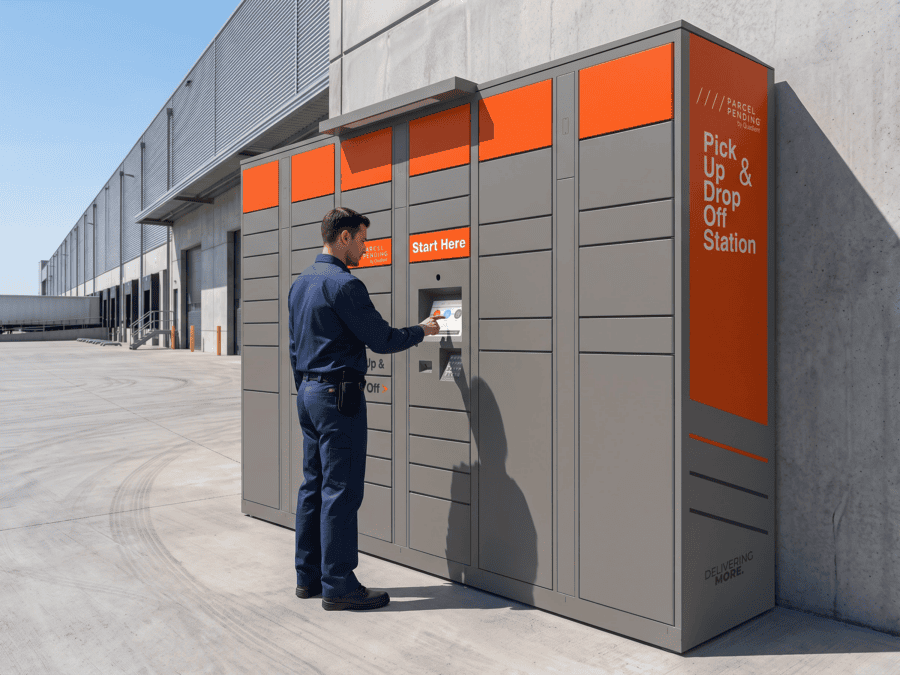
An open locker network is a shared network of locker locations that can be used by multiple organisations, carriers and service providers.
Unlike closed networks that are designed for a single operator or use case, open networks allow businesses to leverage existing infrastructure to support a variety of customer and operational journeys.
This creates opportunities for organisations to increase accessibility, improve convenience and support new services without the time and investment required to establish new physical locations.
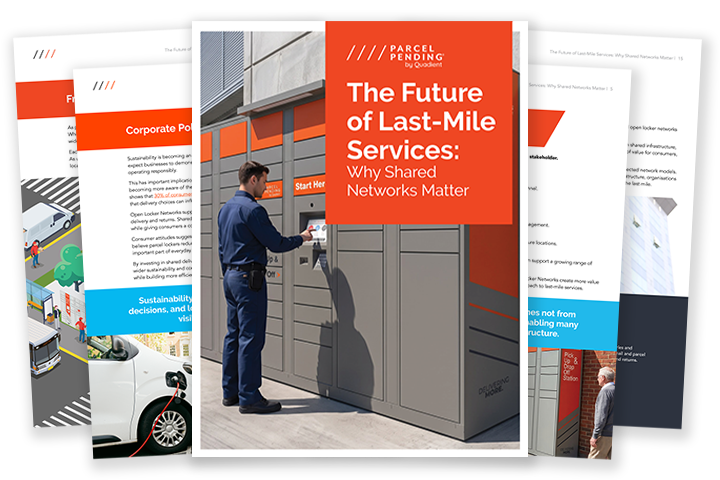
Download our whitepaper, The Future of Last-Mile Services: Why Shared Networks Matter, to learn more about how open networks operate and the business opportunities they create.
Why Businesses Are Exploring Open Networks
Customer expectations continue to evolve.
Consumers increasingly want flexible ways to access products and services, whether that’s collecting a purchase, returning an item or accessing something outside traditional operating hours.
At the same time, businesses are under pressure to improve efficiency, optimise existing assets and make investment decisions go further.
As a result, many organisations are reassessing how and where they create physical touchpoints.
Rather than continually building new infrastructure, open networks provide access to established locations that are already embedded within local communities.
Supporting More Than Parcel Delivery
While locker networks are often associated with parcel collection and returns, businesses are increasingly exploring wider applications.
Potential use cases include:
- Click-and-collect services
- Returns management
- Spare parts distribution
- Field-service operations
- Asset exchange
- Supply chain replenishment
- Customer collections
- Key handovers
- Equipment distribution
The opportunity extends beyond logistics. Any organisation that needs to get products, assets or services closer to customers, engineers or operational teams can potentially benefit from shared access points.
Open Networks and Field Service Operations
For businesses supporting field-service activities, accessibility can have a direct impact on operational efficiency.
Engineers often need convenient access to parts, equipment or replacement assets at locations that fit around their schedules.
Open locker networks provide an additional option for organisations looking to support engineer access while reducing reliance on fixed facilities or staffed locations.
As field-service models continue to evolve, many businesses are exploring how local access points can help improve flexibility and support operational performance.
Helping Retailers Create More Customer Touchpoints
Retailers continue to focus on delivering convenient and flexible customer experiences.
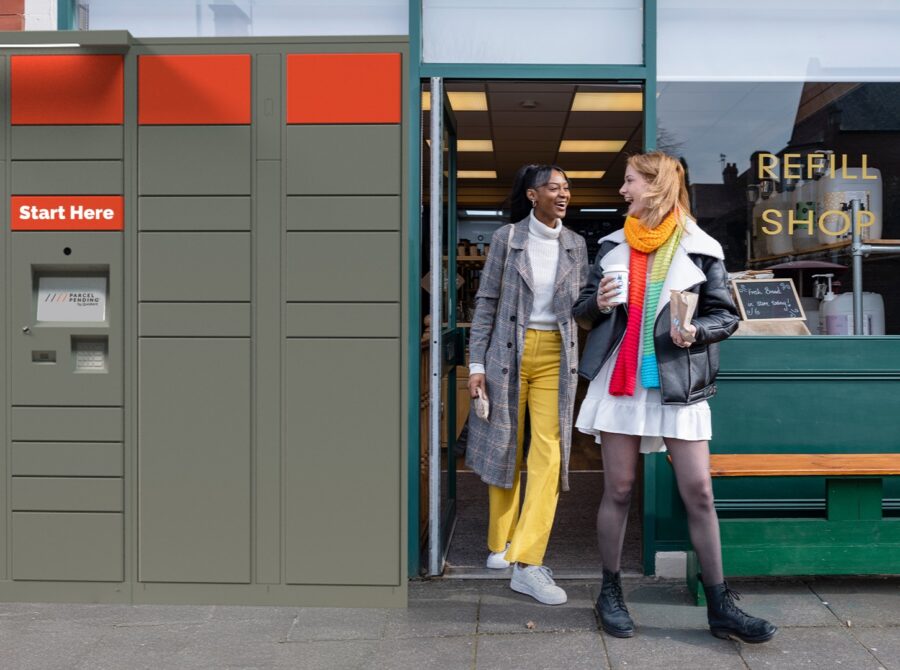
Open locker networks can complement existing store networks by providing additional collection and return points in locations closer to where customers live, work and travel.
This enables retailers to extend customer access without the need to invest in additional brick-and-mortar locations.
For many retailers, the opportunity isn’t simply adding more locations. It’s making services available through the right locations.
Expanding Reach Without Expanding Footprint
One of the biggest advantages of open networks is the ability to create additional touchpoints without increasing physical footprint.
Whether supporting customer collections, returns, field-service operations or other business services, established networks can help organisations increase accessibility and explore new service opportunities faster than building infrastructure independently.
This is particularly valuable for organisations balancing growth ambitions with the need to control costs and maximise return on investment.
The Role of Partnerships in Network Growth
Partnerships are becoming an increasingly important part of modern logistics and service delivery strategies.
By connecting organisations to established networks, businesses can benefit from infrastructure that already exists while focusing investment on areas that create the greatest value for customers and operations.
Rather than approaching growth solely through expansion, many organisations are now looking at how partnerships can help unlock access, convenience and efficiency at scale.
Looking Ahead
The conversation around locker networks is evolving.
What began as a parcel delivery solution is increasingly being viewed as part of a broader ecosystem supporting customer access, operational efficiency and business growth.
As organisations continue to explore new ways to reach customers, support employees and improve service delivery, open locker networks are likely to play an increasingly important role in creating flexible, scalable access points across multiple industries.
Explore Open Network Opportunities
Quadient’s open network includes more than 3,000 locations across the UK, supporting a wide range of retail, logistics and operational use cases.
Get in touch to learn how an open network could support your business.