




Open Locker Network
Rethinking Delivery for a Two‑Way Parcel Economy
Written by: Parcel Pending By Quadient
3 Min Read
Published: June 3, 2026
The parcel economy has always evolved alongside the way we shop, but today it is undergoing a more fundamental shift. When online retail emerged in the late 1990s, growth in parcel volumes was steady rather than dramatic. The real acceleration came during the COVID‑19 pandemic, when lockdowns and empty high streets made home delivery a necessity rather than a convenience.
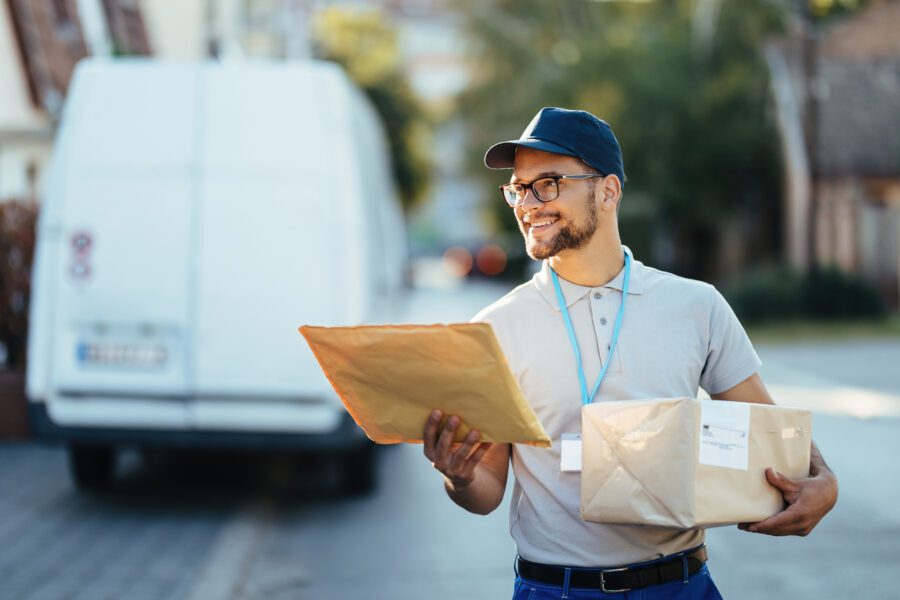
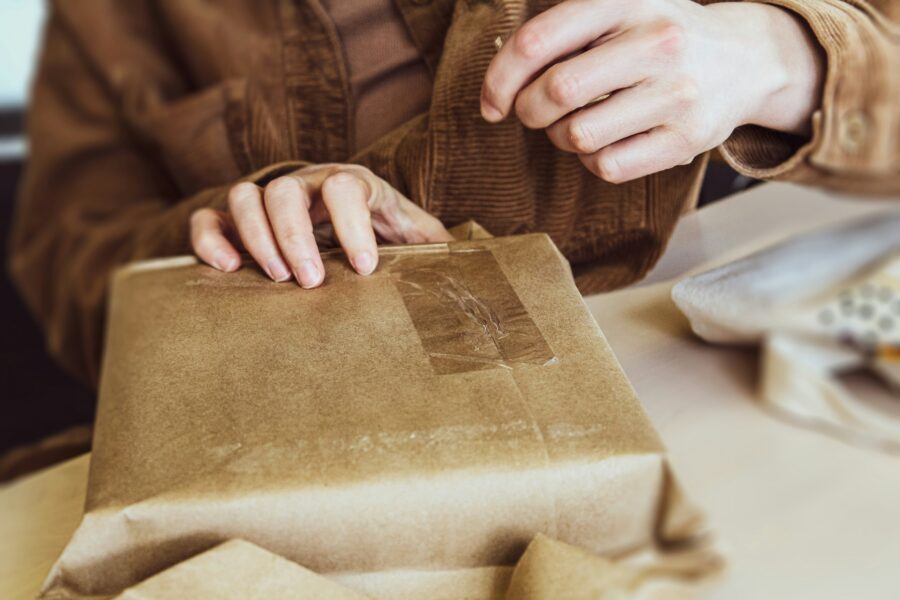
Fast forward to 2026, and parcel delivery volumes have surpassed even peak pandemic levels. They are no longer passive arrivals we simply wait for. They are something we actively manage. From returns and resale to work equipment, subscriptions and gifts between friends, sending and receiving parcels has become a constant, two‑way feature of everyday life.
However, the problem is that while parcel volumes and behaviours have changed significantly, much of the infrastructure designed to support them has not.
A Parcel Economy That Moves Both Ways
Our latest research reveals how today’s parcel activity directly reflects how embedded delivery has become across all aspects of life.
On average, consumers in the UK now receive six parcels per month and send seven. While four of those incoming parcels are linked to online shopping, the remaining two account for subscription services and work-related needs.
Sending behaviour is just as varied. Each month on average, consumers send two parcels linked to resale platforms, with 17% of people sending between three and five resale items every month. One parcel is sent to friends or family, while another is lent to someone else, and one parcel is returned to a retailer.
The Hidden Cost of Convenience
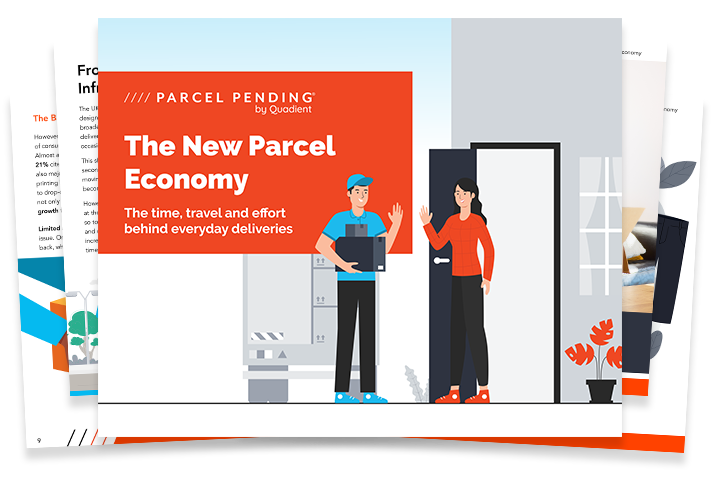
As parcel activity becomes more frequent and diverse, the effort required to manage it continues to rise. Consumers now spend an average of 5.5 hours every month coordinating deliveries and returns. Scaled across the UK population, that equates to an estimated 370 million hours each month spent managing parcels.
The single biggest drain on consumers’ time is waiting at home for deliveries. This underlines a growing mismatch between how people live today and delivery models that still assume someone will be at home and available. It also highlights why out‑of‑home delivery options are becoming increasingly important, offering greater flexibility and control in a world where schedules are rarely static.
Returns add another layer of complexity. A quarter of Brits often return items bought online, but this increases among younger generations. Nearly four in ten 18‑ to 24‑year‑olds regularly return items, rising to almost half of those aged 25 to 34. As shopping becomes more exploratory and resale becomes more mainstream, returns are no longer an exception; they are part of the norm.
Building Systems for a Two‑Way Future
The parcel economy has outgrown the one‑way delivery model it was built on. What was once a simple transaction – retailer to consumer – is now a complex web of movements between people, businesses and platforms.
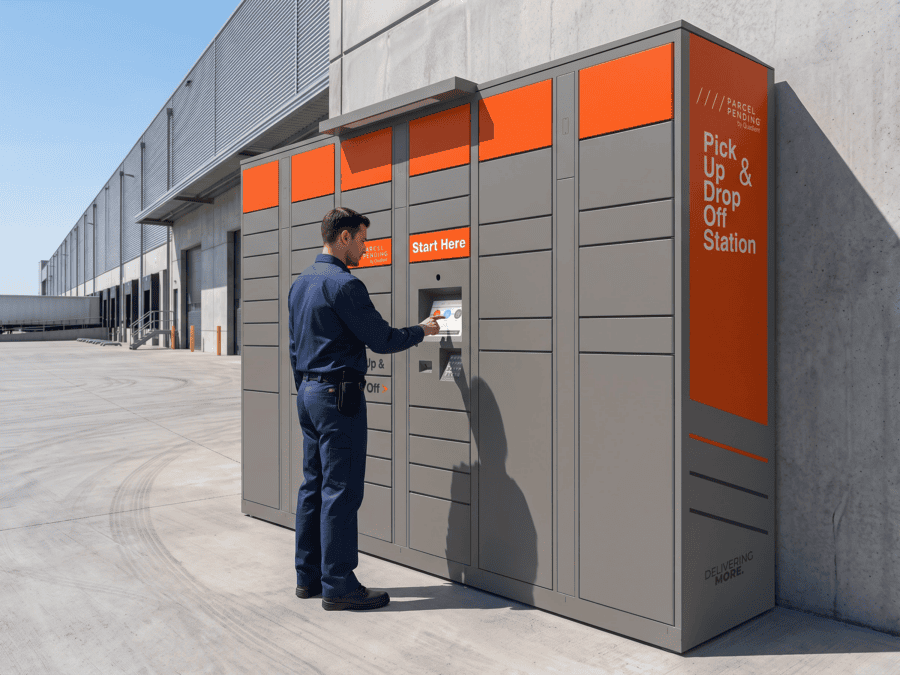
Meeting this shift requires infrastructure that is as flexible and multi‑directional as the parcel flows it supports. Open network parcel lockers, such as those by Parcel Pending by Quadient, are a key part of this evolution. Built into everyday locations, they give consumers the ability to send, return and collect parcels from multiple carriers in one place. With features such as label printing, simple drop‑off and collection, and 24/7 access in many locations, they remove the need to wait at home or make multiple trips across different carrier networks.
By bringing together convenience, accessibility and carrier‑agnostic services, Parcel Pending by Quadient’s Open Locker Network reduces friction for both sending and receiving, supporting everything from retail returns to resale and peer‑to‑peer exchanges in a single, seamless experience.
Click below to download the full report: