




Multifamily
A Guide to Apartment Mailroom Management Best Practices
Written by: Parcel Pending
9 Min Read
Published: January 6, 2026
Updated: February 17, 2026
With e-commerce projected to account for more than 20% of retail sales in 2026, package handling has become one of the top operational drains at multifamily communities.1 Every package that arrives requires multiple labor-intensive touchpoints: logging it into the system, sorting it by unit, finding storage space, and sending delivery notifications to residents.
These seemingly simple tasks are now a pressure point affecting staff workload, community security, resident experience, and even net operating income (NOI). Property staff spend an average of 30 hours per week managing packages, time that could be better dedicated to resident engagement, property improvements, or leasing activities.
This guide outlines apartment mailroom management best practices to implement – across technology, layout, policies, resident communication, and staff training – to create a successful package delivery process at your community.
Why Mailroom Management Matters More Than Ever
There are two factors converging that make implementing mailroom management best practices essential for multifamily communities.
Surging Package Deliveries
With package deliveries continuing to rise, mailroom management has become critical to the success of multifamily operations. Recent research from the National Business Research Institute (NBRI) reveals that more than 70% of residents receive 1-3 deliveries per week.2 Add grocery deliveries, subscription boxes, and holiday spikes to the mix, and you face a perfect storm of unpredictable volume. Infrastructure limitations compound the challenge: more than half of units at small to medium-sized communities nationwide were built before 1980, meaning those communities’ mailrooms were never designed to handle today’s delivery demands.3
Mailroom Operations’ Impact on NOI, Security, and Satisfaction
Staff time lost to manual package handling adds up quickly, often requiring dedicated part-time or full-time roles that directly impact your NOI. The security risks are equally concerning: increased package theft leads to bad reviews and resident dissatisfaction. Poor delivery experiences create an unsafe community environment that can lower renewal rates. Further, 20% of packages aren’t successfully delivered, which can create additional frustration and workload for onsite teams.4 Automated package management solutions address all these pain points simultaneously, protecting your bottom line while improving your resident experience.
The Benefits of Smarter Mailroom Management
In addition to addressing the challenges above, implementing mailroom management best practices provide several other important benefits to multifamily communities:
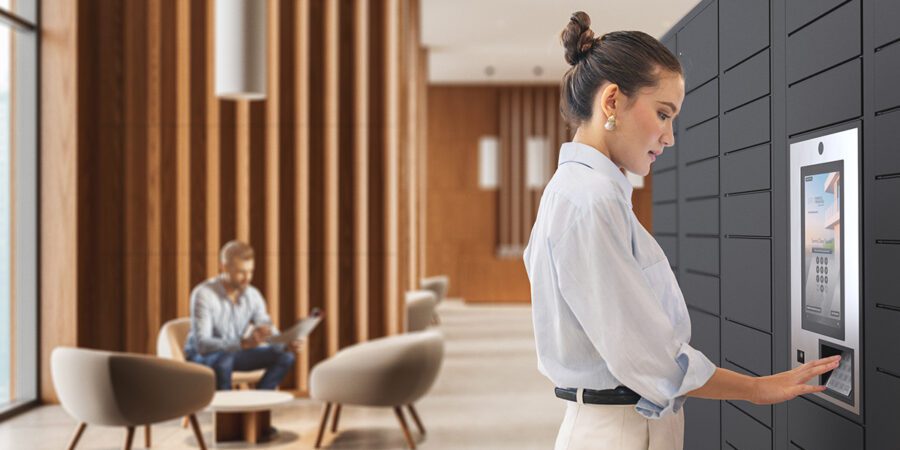
- MORE Efficiency: Automated mailroom systems, like smart package lockers, can free up the 30 hours per week that property staff typically spend on package management. Teams can reallocate time spent on manual tasks to higher-value activities such as resident engagement, property maintenance, and leasing efforts while reducing staff turnover and burnout.
- MORE Resident Convenience and Security: Smart mailroom solutions enable residents to retrieve packages independently, 24/7/365. This on-demand access aligns perfectly with younger generations’ expectations for “always on” automation and digital convenience.
- MORE Security: With mailroom management solutions like smart apartment package lockers, packages are automatically secured and logged on delivery, reducing the risk of lost or stolen packages. And, with secure PIN codes required to access the locker, only the designated recipient can collect the package, ensuring full chain of custody for the item from delivery to collection.
- MORE Satisfaction: By eliminating package-related frustrations such as lost deliveries, limited pickup hours, and long wait times, automated systems directly contribute to higher retention rates and more positive reviews.
Core Technology and Security Best Practices for Apartment Package & Mail Operations
Smart package management technology and security are the foundation of the modern mailroom. Here are some apartment mailroom management best practices to implement as they relate to tech and security.
Adopt Smart Lockers & Package Tracking
Smart lockers and package tracking systems automate logging, notification, and pickup while ensuring a secure chain of custody through automated delivery logs. These solutions eliminate manual logbooks and handwritten notes that create gaps in accountability and waste staff time. They also protect against lost or missing packages, which may sometimes occur with manual systems or off-site delivery partners like Fetch.
Design for 24/7 Secure Access & Surveillance
Keys for success should also include 24/7 secure access and surveillance with controlled mailroom access via fobs or secure codes. Security cameras also help to deter theft and provide crucial evidence for dispute resolution. Well-lit environments, too, improve both safety and usability, making residents feel comfortable retrieving packages at any hour.
Ensure Accessibility & ADA Compliance
When planning your mailroom, prioritize appropriately mounted units, clear pathways, and accessible placement. Maintain clear floor space to reduce trip hazards and improve aesthetics. These features make all residents feel included while expanding your potential renter pool.
If installing smart lockers, place them near mailboxes and configure them to support accessible access for everyone. Vendors like Parcel Pending by Quadient will partner with you to ensure that your solution meets all residents’ needs – from comprehensive ADA features on the locker system to ideal solution placement within your community.
Apartment Package & Mail Management Layout & Workflow Organization
Once you’ve implemented the core technology and security best practices, you can move on to designing layouts and workflows that fit your available space and delivery needs.
Create Clear Zones for Residents and Carriers
Effective mailroom design begins with creating clear zones for both residents and carriers. Use prominent signage and floor markers to guide carriers through delivery and help residents easily locate locker kiosks, package rooms, and mailboxes. This strategy reduces confusion, and minimizes misplaced deliveries.
Plan for Overflow and Surge Management
Plan for overflow and surge management with staging areas, such as locker-connected package rooms or other designated storage areas, when volumes exceed capacity. If you have lockers already, consider scaling your locker capacity to accommodate higher delivery volumes during peak seasons. Regardless, consider adjusting delivery pickup windows to encourage faster collection during busy periods.
Optimize Space and Reduce Clutter
Optimize your mailroom by grouping deliveries by size or type to streamline retrieval. Remove unused equipment or supplies to keep walkways clear for safe access, ensuring residents and staff can navigate the mailroom comfortably even during high-volume periods.
Resident Communication & Notification Automation
Clear, timely communication builds resident confidence. Here are some communication and notification best practices to transform this critical touchpoint from a burden on staff into a seamless experience.
Use Multi-Channel Alerts
Automatic notifications and reminders encourage timely pickup and reduce the frustration of missed deliveries, so be sure to leverage tools that send real-time notifications via SMS, email, or mobile app. Smart lockers can send these alerts automatically or integrate with your property management system to send notifications through your existing communications tools.
Personalize Notifications and Pickup Preferences
Let residents select their preferred notification method. For instance, with lockers, ADA settings automatically assign packages to lockers within designated reach ranges for wheelchair users. And vacation mode allows residents to securely store packages in lockers while traveling, eliminating worry about unattended deliveries.
Enable Self-Service Access with Pickup Codes
Smart lockers and package rooms provide one-time access codes for 24/7 retrieval with no staff involvement. This increases both security (through unique access codes) and convenience (by eliminating office hour constraints).
Clear Package Policies & Escalation Guidelines for Apartment Package & Mail Center Operations
Establishing clear package policies prevents confusion, reduces overflow, and keeps your mailroom running smoothly. Here are some mailroom management best practices to implement to ensure residents understand when and how packages can be collected:
Set a Clear Pickup Window
Clearly communicate pickup timeframes to residents upfront. We recommend encouraging pickup within 3-5 days under normal circumstances. Consider shortening windows during peak seasons (e.g., around the winter holidays) to avoid backlogs and free up space for incoming deliveries.
Automate Reminders and Tag Aging Packages
Send escalating alerts as pickup deadlines approach, from friendly reminders to urgent notifications. Automated systems, like smart lockers, handle this seamlessly without staff intervention. For properties using manual package management, consider implementing aging tags or colored stickers for quick visual tracking.
Set Exceptions for Special Circumstances
Build flexibility into your policies by allowing extended holds for travel, accessibility needs, or emergencies. Clearly communicate how exceptions are requested and handled through your resident portal, property management app, or leasing office communications.
Implementing Staff Training, SOPs, & Feedback Loops
Even the most advanced mailroom software is only as effective as the team operating it. Comprehensive training ensures your mailroom automation investment delivers maximum value. Here are some effective mailroom management best practices as they relate to staff training and feedback:
Training Teams on Tools and Policies
Consistency prevents confusion and ensures residents receive reliable service regardless of which staff member they interact with. To deliver the most consistent experience possible, standardize package processing procedures across all shifts. Be sure to provide regular training refreshers, especially when onboarding new employees or updating system processes.
Leverage Vendor Support for Onboarding
Make full use of vendor-provided resources, including training guides, video tutorials, and live Q&A sessions. Some vendors, like Parcel Pending by Quadient, also provide marketing materials for resident onboarding, making it easier to communicate changes and encourage adoption.
Collect Feedback to Improve Processes
Create regular feedback loops through post-pickup surveys or suggestion boxes. Regularly analyze this feedback to identify recurring issues and opportunities for improvement. This data-driven approach helps you refine procedures, address pain points quickly, and demonstrate to residents that their input shapes operations.
Conduct Regular Operational Audits
Perform periodic assessments to identify inefficiencies and bottlenecks, as well as optimize workflows before they impact mailroom operations. Digital tracking and performance analytics can pinpoint delays for quick corrective action. Schedule quarterly reviews to assess whether your current system continues to meet your property’s needs.
Customization & Scalability by Property Type
Your mailroom equipment should be easy to use and adapt to your specific circumstances while maintaining flexibility to evolve as needs change. Here are a few areas to pay attention to or to ask possible mailroom management solution vendors about:
Ensure You Have Scalable Solutions
Make sure any systems you implement can scale to meet evolving needs. For instance, look for modular locker systems that allow incremental capacity additions or configuration adjustments as delivery patterns shift. This flexibility protects your investment and prevents costly replacements.
Adapt for Unique Delivery Types
Residents’ delivery needs are changing rapidly. Be sure to plan for the full range of delivery scenarios, including oversize packages, peak-season surges, and specialized items. Refrigerated lockers have become increasingly crucial for groceries, meal kits, and temperature-sensitive prescriptions.
Standardize Across Portfolios
If you manage multiple properties within a single portfolio, adopt shared standard operating procedures, signage, and communication templates. This standardization supports brand consistency while improving operational efficiency. Staff can transfer between properties more easily, and residents who relocate within your portfolio will already understand the system.
Implementation Checklist & KPIs
Successful apartment mailroom management requires careful planning, structured execution, and ongoing measurement. As you go about implementing and measuring the performance of your new system, here are some key areas to consider and key performance indicators to track:
Pre-Installation Assessment
Establish your baseline by measuring current package volumes, including peaks during holidays and major shopping events. As part of this assessment, be sure to collect data on staff time spent managing incoming packages—this serves as your benchmark for calculating time savings. You should also use this time to identify existing processes for handling oversize packages, overflow situations, and other special deliveries.
Launch Planning
Coordinate with your vendor to select a location that meets ADA standards and provides adequate staging areas for overflow. Your vendor should also provide the power and connectivity requirements to complete before installation. Closer to launch, train all staff members and notify delivery carriers of the updated process. Of course, be sure to communicate the change to residents through multiple channels, explaining how the new system works and when it will go live; post clear signage directing residents to the collection area.
Track Key Performance Indicators
Establish metrics to measure success and identify areas for refinement. For instance, you can track staff time spent per package and per day to quantify efficiency gains, monitor average time to pick-up, calculate changes in unclaimed packages and loss rates, and even measure resident satisfaction through CSAT scores, NPS ratings, and online reviews.
Building an Apartment Mailroom System that Works for Everyone
Effective multifamily mailroom management best practices combine thoughtful layout, smart automation, clear policies, and proactive communication to streamline operations and elevate resident satisfaction. Implementing solutions like smart package lockers can help property teams reclaim valuable time, prevent loss and theft, and deliver a better resident experience.
Future-proof your community for delivery success with smart lockers from Parcel Pending by Quadient and transform package management from an operational burden into a competitive advantage. Ready to lock in your solution? Speak to one of our package management experts today.
Sources:
- Lebow, Sara. Ecommerce to account for more than 20% of worldwide retail sales despite slowdown. www.emarketer.com. May 22, 2025. https://www.emarketer.com/content/ecommerce-account-more-than-20–of-worldwide-retail-sales-despite-slowdown
- Parcel Pending by Quadient. 2025 Resident Preferences Report. www.parcelpending.com. October 31, 2025. https://www.parcelpending.com/en-us/resources/2025-resident-preferences-report/
- Enterprise. PreservationNext: A Preservation Toolkit for Small-to-Medium-scale Multifamily Properties. preservation-next.enterprisecommunity.org. n.d. https://preservation-next.enterprisecommunity.org/by-numbers
- Lim, Stanley Frederick W.T. Research: Why So Many Packages Don’t Get Delivered. hbr.org. November 28, 2023. https://hbr.org/2023/11/research-why-so-many-packages-dont-get-delivered