






Multifamily
How to Deliver More for Student Residents in 2026
Written by: Parcel Pending
6 Min Read
Published: February 24, 2026
Updated: February 25, 2026
The face of off-campus student housing is changing. Whereas student resident housing used to mean cramped quarters, poor air circulation, endless lines, and manual transactions, today it’s a competitive market catering to Generation Z that demands “always on” convenience and extraordinary experiences.
As multifamily operators continue to make off-campus housing a more integrated part of their portfolio strategy, paying attention to what today’s student residents want is essential. Establishing a consistent, positive experience early in a resident’s experience with a property management group means they are more likely to remain in the larger portfolio as their housing needs evolve.
Below, we highlight some of the key student housing trends to watch this year and how you can adapt your strategies to deliver more for student residents – both in 2026 and beyond.
The State of the Off-Campus Student Housing Market in 2026
Occupancy at U.S. universities was higher in September 2025 than in the previous two years, following a period of healthy preleasing, according to Yardi Matrix’s national student housing report.1 The same report showed that, while annual rent growth was down in many markets, pricing remains well above pre-2024 averages. In essence: the student housing sector is seeing continued strength and confidence from investors coming into 2026.
Part of the confidence is attributed to continued shortages in on-campus housing. Last year may have represented the peak of the student population driven by larger freshman classes, but, even after these larger classes graduate in three to four years, universities will continue to face insufficient on-campus housing capacity, sustaining demand for quality off-campus housing.
In 2026, multifamily operators are now looking to invest in student housing beyond the 68 universities associated with the Power Four conferences: the ACC, Big Ten, Big 12, and SEC. While most buyers want these markets, heavy competition is pushing prices up and reducing returns. A recent Northmarq survey found that 85% of investors would now consider properties near less prominent schools, proving that you don’t need a nationally recognized university to achieve strong occupancy and reliable leasing.2 In fact, returns at smaller schools can be a better investment because there’s less competition driving up purchase prices.
Today’s Student Residents: An Inside Look at Gen Z
When it comes to filling student housing, it’s all about Gen Z. These digital natives represent 44% of recent renters and 63% of those are stepping into the rental market for the first time.3 They’re also likely to remain renters long after they leave student housing communities: 72% of Gen Z see renting as a better financial option than owning a home.4
This cohort grew up with reliable Wi-Fi, on-demand streaming, ride sharing, and same-day delivery as the norm. Convenience, technology, and instant access aren’t mere preferences for Gen Z; they’re expectations in every aspect of student housing.
Gen Z also trusts authentic experiences over polished advertising. They turn first to TikTok and Instagram reviews from actual residents, seeking genuine day-in-the-life content before considering a property. Only 39% start their apartment hunt through conventional rental websites, the lowest rate of any age group.5 For this generation, seeing is believing. User-generated content and peer testimonials carry more weight than any professional marketing campaign.
What Gen Z Expects from Student Housing
Gen Z’ers preferences are influencing housing development across a variety of areas. Here are the key trends to watch for 2026 and beyond.
Tech That Eases Friction
Tech-driven, human-centered experiences are the name of the game for Gen Z. Tools that enable ease for student residents while allowing property teams to maintain critical, personalized touchpoints for service and hospitality will be strong competitive differentiators.
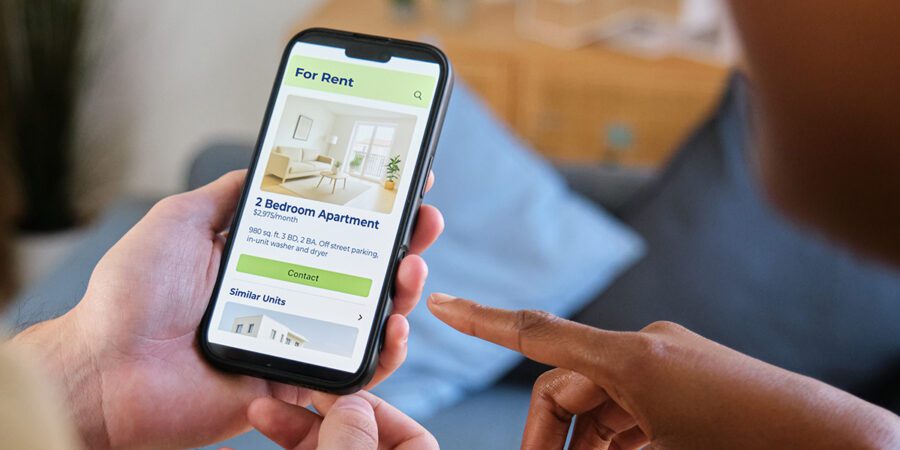
For instance, Gen Z is mobile-first in everything, including housing searches. 81% search for apartments on their phones and expect 360-degree photography and virtual tours before visiting in person. According to Entrata’s research, 63% of respondents consider a technology-first experience important when selecting an apartment.6 They won’t waste time on a property they can’t preview digitally.
Amenity Choices are Changing
Amenities that bring student residents together are also highly desired. Mohamed A. Mohsen, an architect designing off-campus housing, stresses the importance of creating “environments that invite real interaction”: a courtyard with seating that encourages conversation, shared communal kitchens where residents can cook in groups, and flexible common areas that can host anything from study sessions to movie nights.7 And, nearly 70% of Gen Z renters say they’re more likely to renew in communities that host regular social or wellness programming.8
On-Demand Everything
This cohort grew up with instant messaging, same-day shipping, and one-tap everything – and they expect their student housing experience to operate at the same tempo. Communities that make access to key services, like maintenance support, gym access, and package deliveries, available as quickly as possible can create meaningful competitive differentiators in tight markets.
Take maintenance requests as an example. Student expect to submit issues digitally, receive an automated confirmation, and see a resolution within 24 hours. According to a recent National Apartment Association study, properties with strong maintenance satisfaction saw renewal rates climb by nearly 20 percentage points compared to those with slower service.9 In short, meeting Gen Z’s expectations for speed and convenience directly impacts retention.
Delivering MORE for Gen Z with Smart Lockers
Smart lockers sit at the intersection of student residents’ key preferences. They are a tech-based amenity that delivers the same convenience and accessibility that Gen Z expects from ridesharing, food delivery apps, and same-day orders. They eliminate friction in retrieving daily essentials, textbook orders, and care packages by providing secure 24/7 access—no working around office hours, no missed deliveries, and no rescheduling their day around package pickup.
How this generation receives packages matters because Gen Z shops online frequently, with 32% making online purchases at least once a day.10 Smart lockers aren’t just convenient, they’re essential infrastructure. The usage data proves it: more than 90% of residents use lockers weekly and receive at least one package through the system.11
For Gen Z residents who have experienced smart lockers firsthand, they consistently rank as the top amenity because they address a daily need, rather than offering occasional recreation such as pools or game rooms. When an amenity gets used multiple times per week by nearly every resident, it stops being a perk and becomes a competitive necessity.
The student housing market is evolving to meet the demands of Gen Z. This generation expects the same convenience from their living experience as they get from the apps and services they engage with on a daily basis. Smart lockers exemplify this shift by providing 24/7 package access without office hours, missed deliveries, or inconvenience.
For Gen Z renters who make frequent online purchases, lockers aren’t just a nice-to-have amenity; they’re a critical amenity that drives satisfaction and retention. Properties that understand this expectation and invest accordingly will win the competition for this digitally native generation that prioritizes convenience, authenticity, and seamless experiences above all else.
Ready to deliver more for your student residents? Speak with a Parcel Pending expert today to lock in your smart package management solution.
Sources:
- Maister, Philippa. Student Housing Hits Two-Year Occupancy High as Rent Gains Stall. www.globest.com. December 12, 2025. https://www.globest.com/2025/12/12/student-housing-hits-two-year-occupancy-high-as-rent-gains-stall/
- Glasgow, Justin. Student housing investors more open to small university markets. www.multifamilydive.com. November 24, 2025. https://www.globest.com/2025/12/12/student-housing-hits-two-year-occupancy-high-as-rent-gains-stall/
- Zillow. Rental Consumer Housing Trends Report 2026. www.zillow.com. n.d. https://www.zillow.com/rentals-network/2026-consumer-housing-trends-report/
- Entrata. Gen Z on the Lease: A multifamily survey. n.d. https://www.entrata.com/resource/gen-z-on-the-lease-guide
- Zimmerman, Michael. How Gen Z renters are changing multifamily marketing norms. www.rentvision.com. August 19, 2024. www.rentvision.com/blog/how-gen-z-renters-are-changing-multifamily-marketing-norms
- Entrata. Gen Z on the Lease: A multifamily survey. n.d. https://www.entrata.com/resource/gen-z-on-the-lease-guide
- Cassidy, Robert. Location, user experience key factors in off-campus student housing success. www.bcdnetwork.com. December 3, 2025. https://www.bdcnetwork.com/home/news/55315446/location-user-experience-key-factors-in-off-campus-student-housing-success
- NMHC/Grace Hill. 2024 NMHC & Grace Hill Renter Preferences Survey Report. www.nmhc.org. November 7, 2023. https://www.nmhc.org/research-insight/research-report/nmhc-grace-hill-renter-preferences-survey-report/
- Murai, Ken. The Impact of Maintenance on Multifamily Renewal Rates. www.multifamilyinsiders.com. June 20, 2025. https://www.multifamilyinsiders.com/multifamily-blogs/the-impact-of-maintenance-on-multifamily-renewal-rates
- JungleScout. Report: Gen Z consumers least likely to reduce spending amidst inflation; 32% shop online at least daily. www.junglescout.com. March 21, 2023. https://www.junglescout.com/press/press-releases/report-gen-z-consumers-least-likely-to-reduce-spending-amidst-inflation-32-shop-online-at-least-daily/
- Parcel Pending by Quadient. 2025 Resident Preferences Report. www.parcelpending.com. October 31, 2025. https://www.parcelpending.com/en-us/resources/2025-resident-preferences-report/