






University
8 Emerging Higher Ed Technology Trends
Written by: Parcel Pending
8 Min Read
Published: April 30, 2022
Updated: June 26, 2026
As higher education faces mounting pressure from potential enrollment declines, shifting student expectations, and rising operational costs, technology is no longer just a tool for convenience — it’s becoming a lifeline. The innovations highlighted below aren’t just about staying current; they’re about staying competitive, scalable, and student-focused in a rapidly changing environment.
Key Takeaways:
- Emerging technologies help colleges and universities improve operational efficiency, student retention, and long-term resilience.
- AI-powered personalization, immersive learning tools, and smart campus solutions can enhance the student experience from enrollment through graduation.
- Technology investments support institutions struggling with enrollment challenges and rising costs alongside evolving student expectations.
- Strategic adoption of digital tools enables higher education institutions to remain competitive while delivering more student-centered experiences.
How Technology Is Transforming Higher Education Beyond the Classroom
While many conversations about emerging technologies focus on teaching and learning, the biggest impact of technological innovation in 2026 may occur behind the scenes. Colleges and universities are increasingly using technology to transform operations, and create more data-driven strategies that support institutional success as well as improve student experiences.
As institutions face enrollment challenges and growing student expectations for flexibility, technology is becoming a critical tool for transforming higher education at every level. From streamlining administrative tasks to enhancing student success, digital solutions are helping institutions work smarter while delivering more personalized experiences.
Meeting the Enrollment Challenges Head-On
Many colleges and universities are bracing for a potential “enrollment cliff” — a projected drop in student populations due to demographic shifts. This means institutions must find new ways to attract, engage, and retain students. Emerging technologies like AI-driven personalization, immersive learning tools, and smart campus infrastructure can play a critical role in:
- Boosting student satisfaction and retention through personalized experiences
- Streamlining campus operations and reducing friction for students, from admissions to mailroom logistics
- Enabling hybrid and remote learning that expands reach beyond the physical campus
When implemented strategically, these tools become part of a broader solution to systemic challenges — not just isolated technology upgrades.
From Tools to Strategy: Enabling Scalable, Student-Centered Growth
Today’s students expect more than static lectures and long administrative lines. They want on-demand, personalized experiences that mirror the convenience and engagement of modern consumer technology. Emerging technologies are helping institutions deliver on those expectations while building scalable systems that support long-term growth.
Higher Ed Technology Trends to Watch
The pandemic brought to the forefront the void in leveraging technology solutions to boost learning. Now, there are several emerging technologies in higher education that are helping institutions elevate student learning, promote digital transformation, and improve student engagement. Here are the seven key technologies in higher education trends to watch.
#1 Blended Learning: The Zoom Room Boom
Institutions are increasingly investing in flexible learning environments that combine in-person, online, and technology-enhanced instruction, enabling students to access education in ways that best support their learning needs and schedules. Whereas before, most colleges and universities barely acknowledged the role of remote learning, today it’s a mainstay of college campus amenities and the student experience. Universities are investing in smart campus IoT, such as permanent video and augmented reality technology that allows for hybrid (on-campus and off-campus) instruction.
HyFlex (hybrid/flexible) classrooms are also becoming a key investment area. These technology-enabled spaces allow students to choose between attending classes in person or remotely while maintaining a consistent learning experience, helping institutions meet evolving student expectations for accessibility and flexibility. Northeastern University in Boston, for example, has outfitted 200 classrooms with this educational technology and the University of Pittsburgh has 180 rooms outfitted – with more on the way.
#2 Micro-Credentials are the Future
As institutions face growing pressure to demonstrate career outcomes, many are investing in technologies and programs that help students develop in-demand skills and connect learning directly to workforce opportunities. According to recent Gartner data, employability-focused initiatives are among the top technology trends shaping higher education, reflecting the increasing importance of career readiness in the student experience.1 Enter the growth in micro-credentials.
Micro-credentials are courses, badges, certifications, and boot camps focused on a specific skill set. A jaw-dropping 700,000 micro-courses are currently available online.2 Further, certificates and non-degree programs are the fastest-growing technology-enhanced learning offerings at community colleges and institutions of higher education over the last year.
#3 Expanding Access to and Integrating Data
A key trend that faculty members and other educators widely embrace is removing data silos to better understand and access data. Solutions like learning analytics and predictive technologies help faculty and other educators better understand student behavior, identify at-risk learners, and overall improve academic outcomes. Of course, the end goal of this higher education strategy remains to improve digital transformation and implement data-driven decision-making, teaching, and learning practices to boost student success and retention.
#4 Personalized Learning Paths That Meet Specific Student Needs
Today’s students increasingly expect educational experiences tailored to their individual goals, interests, and learning styles. Advances in artificial intelligence and learning analytics are enabling personalized learning on a much larger scale. According to Microsoft’s 2025 AI in Education Report, educators are increasingly leveraging AI-powered tools to automate administrative tasks, deliver more tailored learning experiences, and provide personalized support for students, helping institutions better meet evolving student needs and improve engagement across the student journey.3 When paired with adaptive learning platforms, faculty and other educational staff can evaluate performance in real time and adjust course materials accordingly. These technologies help personalize learning by recommending resources, adjusting content difficulty, and creating customized learning paths that align with individual learning needs.
By allowing students to progress through material at their own pace, institutions can improve engagement while helping learners achieve stronger outcomes. Personalized learning experiences also support nontraditional students, adult learners, and online education participants who often require greater flexibility.
#5 Investing in Online Learning Options
The floodgates of digital learning technology in higher education were opened at the beginning of the pandemic. Today, institutions of higher education are beginning to look beyond Zoom to meet the student outcome demands of online learning. Saint Mary’s University of Minnesota is a perfect example of investing and integrating emerging technology trends, technology-enhanced learning, and IoT applications in university settings.
The institution shifted to a Learning Management System (LMS) called Canvas. It then overlaid a tool called Ally, which helps faculty members, instructors, and teachers provide alternative formats to make their courses more accessible for people with disabilities. Andrea Carroll-Glover, Vice Provost for Online Strategy and Programs at Saint Mary’s University of Minnesota, highlights the benefits this way: “Thanks to Canvas, the online teaching and learning experience became mobile friendly, much more intuitive, and enhanced the faculty’s teaching experience.”4
#6 Creating Short form Video-Based Learning
Thanks to TikTok – with its 1 billion active users and 52 minutes spent on it daily – students and educators have embraced short-form video learning, educational content, and instructional design.5 Studies demonstrate that videos shorter than two minutes have the best engagement and 95% of video watchers retain what they learn compared to 10% who retain what they read.6
#7 AR/VR and Immersive Learning
Immersive technologies like AR and VR don’t just add wow-factor to classrooms — they open doors to more inclusive and engaging learning environments. For students with disabilities, geographic barriers, or non-traditional schedules, these tools can create access where it didn’t exist before.
At the same time, immersive content keeps digital-native students more engaged, leading to better outcomes and increased satisfaction — both key factors in boosting retention and long-term loyalty.
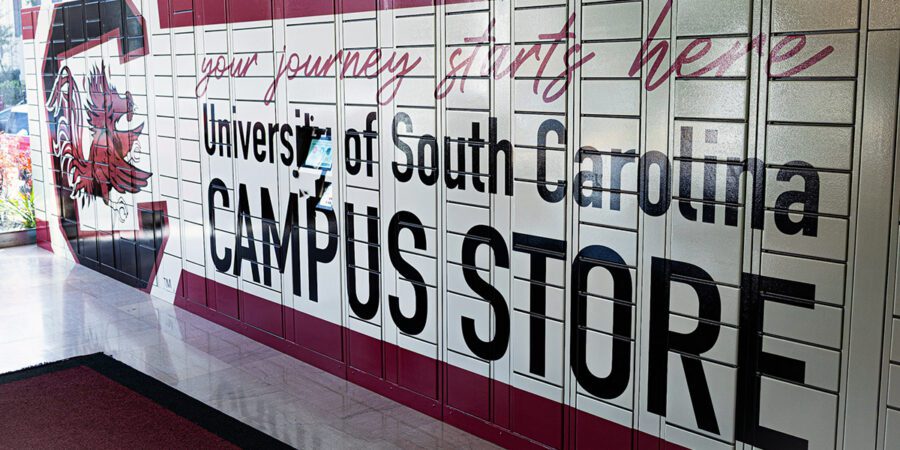
#8 Installing Smart Lockers that Work as a Campus Hub
As higher education institutions move towards one-stop transactional offices, smart indoor lockers and outdoor lockers can play a key role in having full-time, part-time, micro-credential, or hybrid-enrolled students pick up needed items in just one place.
Tom Ellett, for example, holds a rare job in higher education: Chief Experience Officer at Quinnipiac University.7 One of his key learnings from students was the frustration in dealing with different offices for administrative issues such paying their bills, receiving financial aid, changing meal plans, and registering for classes. As a result, Ellett moved all of these services under one roof.
Educational institutions have been able to leverage an integrated campus mail services model for delivery by implementing solutions like Parcel Pending by Quadient’s Campus Hub™. Here are just a few examples of what universities can deliver with an integrated delivery model:
- Bookstore Merchandise: Clothing, books, electronics, gifts and more can be retrieved with zero face-to-face interaction.
- Electronics: Student laptops, tablets, and other school-owned learning technology can be disseminated.
- Class Equipment: Classrooms can distribute equipment for course work and projects and students can easily and safely return the items.
- On-Campus Dining: A student can simply place an order for a meal online via the university’s dining software and then pick-up their food and beverage items safely without coming in contact with anyone.
- Student Mail: Packages and regular USPS mail.
- Move-in/Move-out Materials: Items such as keys, ID cards, welcome packets and other important school materials can be shared with students via smart parcel locker.
- Event Tickets: Tickets for sporting events and other student activities can be distributed via smart retail lockers to minimize lines and contact with ticket agents.
This automated, student-focused solution is crucial to helping universities modernize, reducing administrative overhead and freeing up school staff and faculty for other higher-value tasks.
The Big Picture: Technology as a Driver of Institutional Sustainability
Higher education and technology will continue to evolve to meet the needs of students. Online learning is here to stay with universities investing in virtual reality, artificial intelligence and machine learning, platforms that support mobile learning, video conferencing options beyond Zoom, short form video options, and offering micro-credentials in the form of bootcamps, courses, or badges.
Ultimately, the most successful higher education institutions will be those that treat technology as a strategic enabler, not just an operational upgrade. Whether it’s delivering a seamless student experience, automating outdated processes, or expanding access to education, the right technologies help colleges and universities:
- Scale without sacrificing personalization
- Retain students through better engagement
- Adapt quickly to demographic and economic shifts
By integrating emerging technologies with a clear strategic vision, institutions can position themselves not only to survive today’s challenges — but to thrive well into the future.
Parcel Pending by Quadient: Supporting the Future of Higher Education with the Right Campus Technology
As institutions continue transforming higher education, technology will play a critical role in improving operational efficiency, creating more seamless campus experiences, and increasing student success. While innovations like AI, automation, and personalized learning are reshaping academics, smart campus solutions matter too. University smart lockers can help streamline delivery management, reduce administrative tasks for faculty and staff, and deliver the convenience today’s students expect.
Ready to learn how Parcel Pending by Quadient can help your institution build a smarter, more connected campus experience? Contact one of our package management experts today.
Sources:
- Gartner. Top Technology Trends in Higher Education for 2025. www.gartner.com. n.d. https://www.gartner.com/en/documents/6096527
- Micro-Pathways Explained. 2022. Ebook. Education Design Lab. Accessed April 5, 2022. https://eddesignlab.org/news-events/why-micro-pathways/
- Microsoft. 2025 AI in Education Report. Microsoft Education, 2025. Accessed June 2026. https://cdn-dynmedia-1.microsoft.com/is/content/microsoftcorp/microsoft/bade/documents/products-and-services/en-us/education/2025-Microsoft-AI-in-Education-Report.pdf
- Rebeck, Gene. Education Beyond Zoom. tcbmag.com. December 13, 2021. https://tcbmag.com/education-beyond-zoom/
- Dean, Brian. “TikTok User Statistics (2022)”. Backlinko, January 5, 2022. https://backlinko.com/tiktok-users
- Wall, Kevin. “Videography is More Important Than Ever in Higher-Ed Recruiting”. Kwall, February 16, 2022. https://www.kwallcompany.com/blog/short-form-videography-and-student-recruitment
- Busta, Hallie. “Living the student life: A glimpse into the job of a university chief experience officer”. Higher Ed Dive, June 25, 2021. https://www.highereddive.com/news/living-the-student-life-a-glimpse-into-the-job-of-a-university-chief-exper/602419/