




Open Locker Network
5 Ways Public Sector Organisations Can Improve Everyday Access for Local Communities
Written by: Parcel Pending
5 Min Read
Published: March 17, 2026
From the way people bank and shop to how they access entertainment and manage appointments, daily life has changed significantly over the past decade. The expectation of flexibility – being able to access services at convenient times rather than planning around fixed opening hours – is now a familiar part of everyday life.
For public services, this shift presents both a challenge and an opportunity. Libraries, leisure centres, healthcare settings and other community facilities serve some of the most diverse audiences of any organisation, and the communities around them have more varied schedules and needs than ever before. At the same time, council and public services budgets across the UK have faced sustained pressure in recent years, and most are already doing more with limited resources.
So how can community spaces continue to meet changing expectations while working within these constraints? In many cases, the answer lies not in large-scale transformation, but in practical changes that make it easier for people to access services when and where they need them.
Below are five approaches that are helping organisations improve everyday access for the communities they serve.
Extend access beyond staffed hours
Libraries provide a good example of how this can work in practice. Across the UK, a growing number now offer self-access hours, allowing registered members to enter the building using their library card outside of core opening hours. This allows visitors to borrow and return books using self-service machines, access computers or Wi-Fi, use study spaces or attend community activities taking place in the building.
This not only helps extend the usefulness of the space without requiring staff to be present at all times, but it also makes it easier for people to visit around work, school and other commitments.
As expectations around flexibility continue to grow, similar ideas are being explored across other community spaces, where extending access can help more people make use of services throughout the day.
Introduce self-service options to make everyday visits easier
People working across community spaces manage a wide range of responsibilities every day. However, when simple tasks require staff involvement each time, it can slow things down for visitors and create pressure during busy periods.
Self-service technology can help address this in practical ways. In libraries, self-service machines allow visitors to borrow or return books quickly and independently, while digital booking systems make it easier to reserve meeting rooms or study spaces without needing to speak to a member of staff.
Similarly, in healthcare settings, self-check-in kiosks and electronic queue management systems are increasingly being used to streamline the experience of arriving for an appointment. In many NHS hospitals, a large proportion of patients now check in using self-service machines, helping reduce queues at reception while allowing staff to focus on care and support where it matters most.
Small changes to how services are delivered can make a significant difference to both the visitor experience and the workload of the people delivering them.
Make better use of well-located spaces
Many community spaces are located in highly accessible areas, close to residential neighbourhoods, transport links and town centres. Because of this, they are already familiar destinations that many people visit regularly.
Organisations are increasingly building on this advantage by expanding the way these spaces are used. Libraries, for example, now host exhibitions, digital skills sessions, community workshops and meeting rooms for local groups. Leisure centres often provide a home for health programmes, wellbeing initiatives and social activities alongside their core facilities.
By expanding how these buildings are used, organisations can serve more purposes for the community while making better use of the space they already have. For organisations managing public estates, this approach can also help deliver greater value without the need for major new infrastructure.
Support a broader range of everyday needs
People rarely visit a community space for just one reason. A parent dropping a child at an after-school activity may also return library books or pick up information about a local service. Someone attending a fitness class might combine that visit with a trip to the pharmacy or a stop at the post office nearby.
This kind of trip-chaining is a natural part of how people organise their time, and it represents a real opportunity for community spaces. By supporting a wider range of everyday needs alongside their core services, these buildings can make each visit more convenient and more worthwhile for the people making them.
The more useful a single visit becomes, the more readily people will build community spaces into their daily routines, which in turn strengthens the role these places play at the centre of local life.
Introduce services that support everyday convenience
One way community spaces can build on this role is by supporting convenient access to services that people rely on regularly.
Parcel collections and returns are one example of this. With nearly 40% of UK consumers shopping online every week1, having a secure and convenient way to collect or return parcels close to home has become an everyday need for many households.
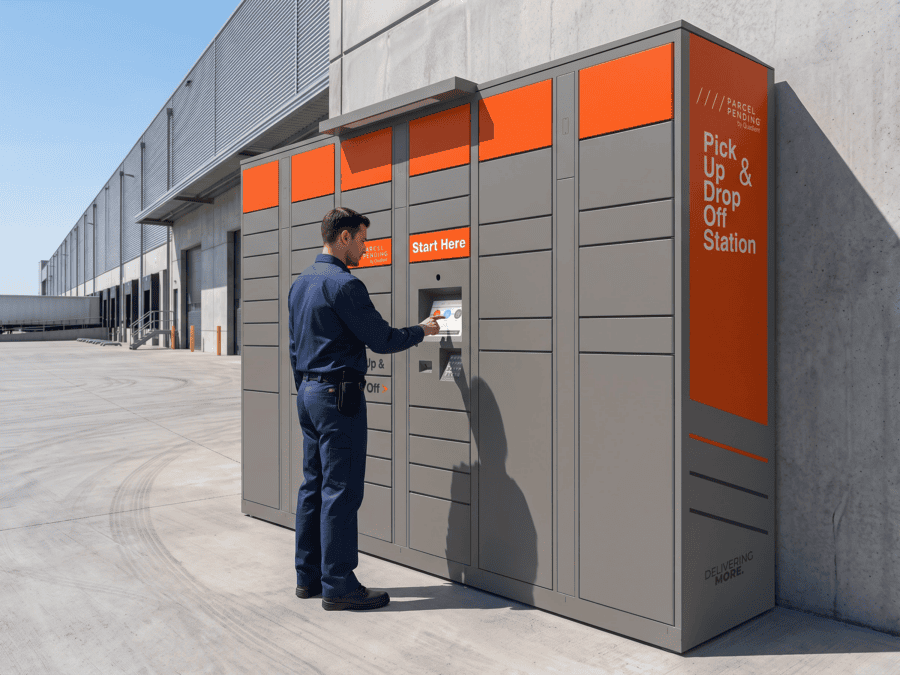
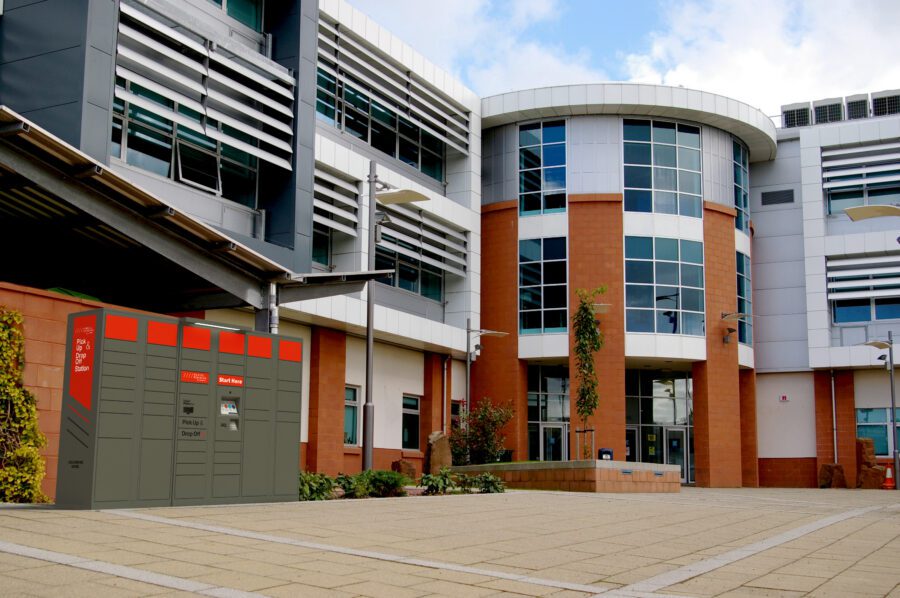
Open network parcel lockers provide a simple way to offer this service. Installed in easily accessible public locations, they allow people to collect, send or return parcels at any time using a secure digital code. And with around 40% of parcel locker collections taking place outside standard working hours2, it is clear how important round-the-clock access has become.
For local communities, smart lockers provide a convenient and secure place to manage deliveries and returns. They can also support a wide range of additional services, from key exchange and personal item storage to prescription collection and tool hire, helping them function as convenient local service hubs. Positioned within familiar locations, they offer a practical service for the people who already use these spaces and give others a new reason to do so.
For organisations hosting them, the benefits extend further. Lockers can generate a predictable income from space that might otherwise go unused – income that can be reinvested into local services at a time when budgets are under pressure. They also help bring regular footfall to community locations, supporting activity around public buildings and strengthening their role as active local destinations.
And by consolidating multiple deliveries into a single collection point, they help reduce unnecessary vehicle journeys and lower emissions, supporting the sustainability goals that many public sector organisations have committed to.
Small changes that make a big difference
Community spaces already play an important role in everyday life. As expectations around access continue to evolve, there is a clear opportunity to build on what these places already do well.
Extending access, introducing self-service options, making better use of existing space and offering services that reflect how people live today can all help ensure that these spaces remain accessible, relevant and valuable for the communities around them.
Ready to explore how hosting an Open Network locker could benefit your organisation and local community? Speak with a Parcel Pending by Quadient representative today to find out how hosting an Open Network locker can help you deliver convenient, secure access to everyday services while making better use of your space.