How Much Staff Time Do Smart Package Lockers Save University Mailrooms?
Written by: Matt Shamshoian
2 Min Read
Published: July 2, 2026
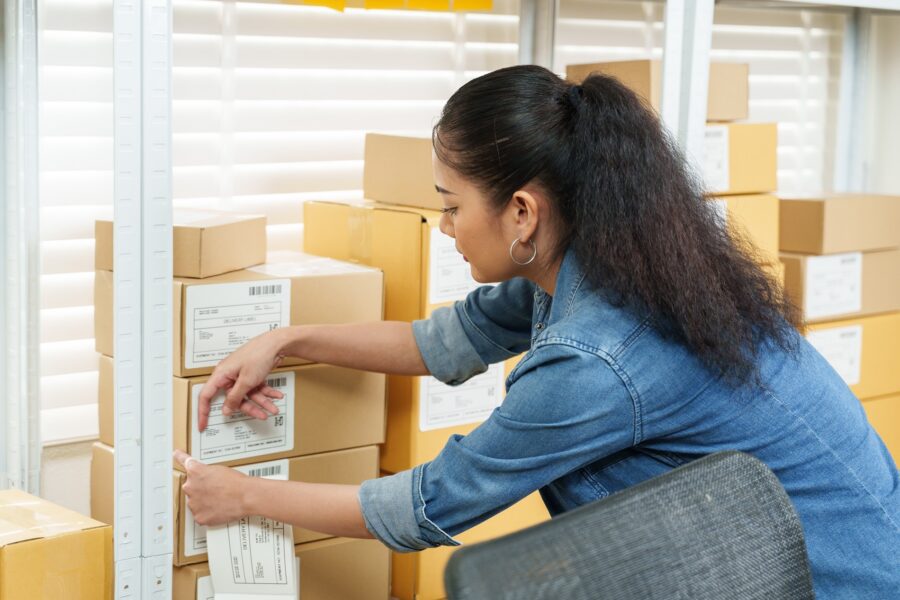
Smart package lockers cut the labor a university mailroom spends on package handling by 60 to 70 percent, the reduction mailroom directors most commonly report after switching to self-service pickup. The savings come from removing the manual work that fills counter hours, where staff once logged and shelved every parcel before handing it across the counter one student at a time. Lockers absorb that routine and run around the clock, returning staff hours to higher-value work and clearing the pickup line entirely.
Where do the staff-time savings come from?
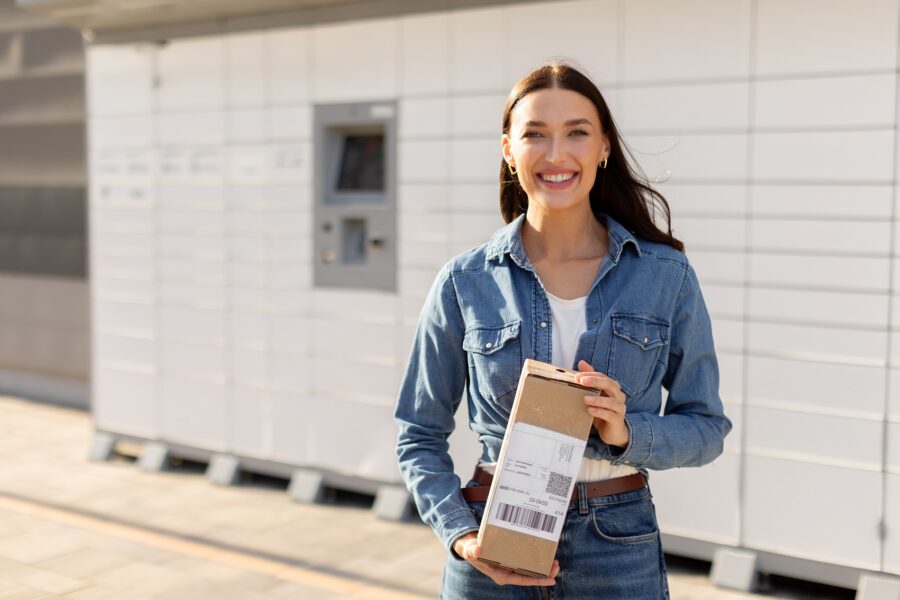
The savings come from automating the parts of package handling that never required judgment. When a parcel arrives, the locker system logs it and notifies the student, then holds it securely until pickup, work that previously ran through staff hands at every step. Self-service release is where most of the time is recovered, since students retrieve their own packages with a code or app rather than waiting for an attendant. What remains for staff is the exception work, the oversized items and the misroutes that genuinely need a person.
How many hours does that translate to?
The hour count scales with volume, so the busier the mailroom, the larger the absolute saving. A campus like the University at Albany, processing more than 350,000 deliveries a year, recovers far more staff time in raw hours than a small college, even at the same 60 to 70 percent reduction. Campus volume also keeps rising, which widens the saving over time. Stanford’s annual deliveries grew from 350,000 to 570,000 since 2022, so a mailroom that automates now is removing manual labor from a workload that would otherwise keep expanding.
What happens to mailroom staff after lockers go in?
Lockers reduce the workload rather than the staff. The hours freed from logging and handoffs move to work the counter never had time for, from managing oversized deliveries to running the distribution programs lockers make possible across libraries and dining. At institutions using Parcel Pending, the same banks handle far more than mail, which turns reclaimed mailroom time into capacity for the wider campus rather than a line item to cut. Parcel Pending’s higher-education work describes how those programs extend across campus services.
Frequently asked questions
Do smart lockers replace mailroom staff?
No. They remove routine handling so staff shift to exceptions and broader campus distribution work, which reallocates hours rather than cutting headcount.
How much package-handling labor do lockers actually save?
Mailroom directors most commonly report a 60 to 70 percent reduction in package-handling work after moving to self-service pickup.
Do the savings hold during move-in and finals?
Peak periods are where the saving is most visible, since lockers clear backlogs without the temporary staffing a manual counter needs. The dedicated peak-period detail sits in the campus operations cluster.
Can the lockers handle more than packages?
Yes. Because the banks are carrier-agnostic and tracked, campuses use them to distribute library materials, devices, and dining orders, which is part of how reclaimed time turns into wider capacity. See the worth-the-investment overview for the full value case.

Matt Shamshoian writes for Parcel Pending by Quadient on package management and smart lockers for students, retail, distributors and the Open Locker Network.